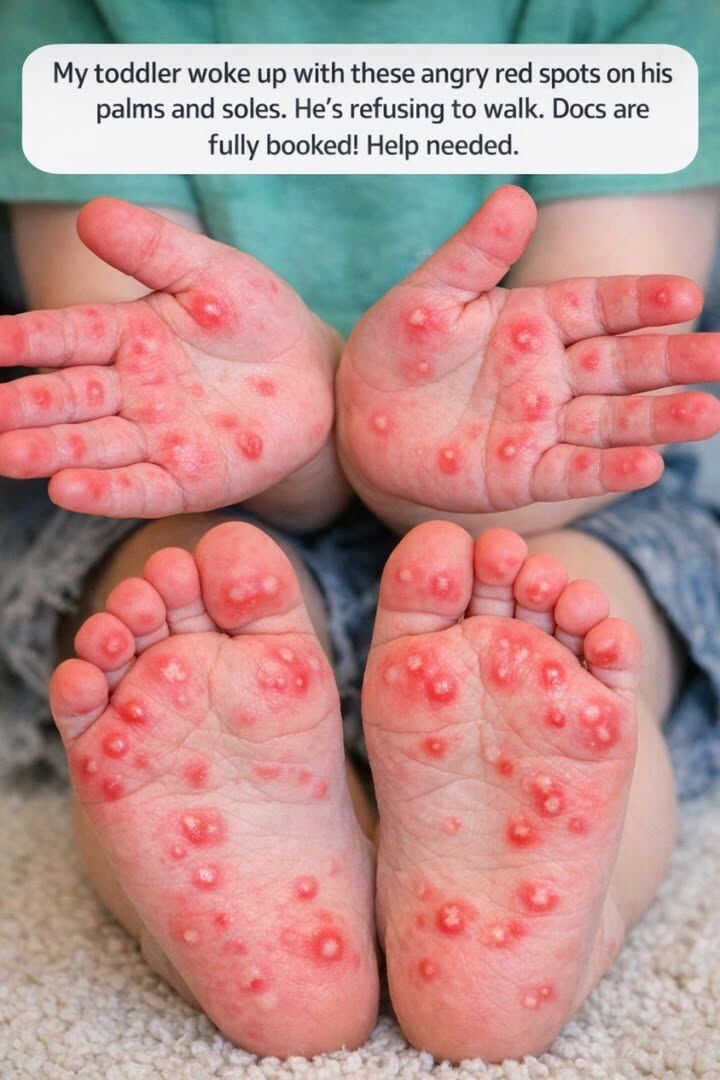

Few things can cause instant worry for a parent like waking up to see their child uncomfortable or in distress. It can feel even more overwhelming when you notice unusual physical symptoms—such as red spots appearing on your toddler’s hands and feet—especially if your child seems reluctant to stand or walk. When medical appointments aren’t…
When Your Toddler Wakes Up with Red Spots on Hands and Feet: A Calm and Practical Guide for Parents
Few things can cause instant worry for a parent like waking up to see their child uncomfortable or in distress. It can feel even more overwhelming when you notice unusual physical symptoms—such as red spots appearing on your toddler’s hands and feet—especially if your child seems reluctant to stand or walk. When medical appointments aren’t immediately available, it’s natural to feel uncertain about what to do next.
While situations like this can be stressful, it’s important to approach them calmly and thoughtfully. In many cases, symptoms like these can be linked to common and manageable childhood conditions. Understanding what might be happening and how to support your child at home can help ease anxiety while you arrange professional medical advice.
This guide will walk you through possible explanations for these symptoms, safe ways to care for your child in the short term, and signs that indicate when prompt medical attention is necessary.
What Could Cause Red Spots on a Toddler’s Hands and Feet?
Red spots or rashes on the palms and soles can appear for several reasons. Some causes are mild and temporary, while others may require evaluation by a healthcare provider. Here are a few possibilities to consider:
1. Common Viral Conditions
One of the more frequent reasons for red spots on the hands and feet in young children is a viral infection. These infections are often accompanied by additional symptoms such as mild fever, fatigue, or irritability. Some children may also develop small sores in or around the mouth, which can make eating uncomfortable.
These viral conditions typically resolve on their own within several days to a week, though symptoms can vary in intensity.
2. Skin Irritation or Allergic Reaction
Toddlers are naturally curious and often come into contact with new surfaces, substances, or environments. A mild allergic reaction or skin irritation can cause redness, itching, or blotchy patches. This could be triggered by:
- New soaps, lotions, or detergents
- Exposure to plants or outdoor elements
- Contact with certain fabrics or materials
If the rash appeared suddenly and your child was recently exposed to something new, this may be a possible explanation.
3. Temperature-Related Skin Reactions
In some cases, skin can react to temperature changes. Prolonged exposure to cold surfaces or even friction from walking barefoot on certain textures can cause redness or discomfort in sensitive areas like the soles of the feet.
4. Minor Injuries or Pressure
If your toddler has been especially active, small pressure points or minor irritation on the feet could make walking uncomfortable. This might not always be obvious at first glance but could explain why your child is avoiding standing or walking.
5. Other Childhood Conditions
There are additional, less common conditions that may cause similar symptoms. While these are typically not serious, they still benefit from a proper medical evaluation to confirm the cause and ensure appropriate care.
Why Might Your Child Refuse to Walk?
When a toddler refuses to walk, it’s often a sign that something is causing discomfort. In the context of red spots on the feet, possible reasons include:
- Sensitivity or pain in the affected areas
- Swelling or tenderness
- General fatigue from an underlying illness
It’s also worth noting that toddlers may temporarily avoid activities they usually enjoy if they’re feeling unwell overall. Observing your child’s behavior can provide helpful clues about how they’re feeling.
How to Comfort Your Child at Home
While waiting for a medical appointment, there are several gentle and safe steps you can take to help your toddler feel more comfortable:
1. Keep Them Rested
Encourage your child to rest as much as possible. Avoid forcing them to walk or stand if they seem uncomfortable. Rest allows the body to recover and prevents further irritation.
2. Maintain Hydration
Make sure your toddler is drinking enough fluids throughout the day. Staying hydrated supports overall well-being and can be especially important if they have a mild illness.
3. Use Gentle Skin Care
Keep the affected areas clean and dry. Use mild, fragrance-free cleansers if needed, and avoid applying any strong or unfamiliar products unless recommended by a professional.
4. Dress for Comfort
Loose, soft clothing and breathable socks can help prevent further irritation. Avoid tight footwear or anything that might put pressure on sensitive areas.
5. Monitor Temperature and Behavior
Keep an eye on your child’s temperature and overall mood. Noticing changes—such as increased irritability, drowsiness, or loss of appetite—can help you determine whether symptoms are improving or worsening.
When to Seek Medical Attention
Although many cases are mild, there are situations where it’s important to seek medical care more urgently. Consider contacting a healthcare provider or visiting a clinic if you notice any of the following:
- A high or persistent fever
- Rapid spreading of the rash
- Severe pain or swelling
- Signs of dehydration (such as dry mouth or reduced urination)
- Unusual drowsiness or difficulty waking your child
- Symptoms lasting longer than a few days without improvement
If you’re ever unsure, it’s always better to err on the side of caution and consult a professional.
Managing the Waiting Period
When appointments are fully booked, waiting can feel frustrating. However, there are a few ways to make this time more manageable:
- Call your pediatric clinic regularly: Cancellations can happen, and you may be able to secure an earlier appointment.
- Check urgent care options: Many areas have walk-in clinics designed for situations that aren’t emergencies but still need timely attention.
- Use telehealth services: Virtual consultations can provide guidance and reassurance when in-person visits aren’t immediately available.
Staying Calm as a Parent
It’s completely natural to feel concerned when your child shows unfamiliar symptoms. However, keeping a calm and measured approach can help both you and your toddler navigate the situation more comfortably.
Children often pick up on their parents’ emotions, so offering reassurance, physical comfort, and a soothing environment can make a meaningful difference in how they cope.
Final Thoughts
Seeing red spots on your toddler’s hands and feet—especially when they’re uncomfortable or unwilling to walk—can be unsettling. However, many of the possible causes are common and manageable with simple care and observation.
By staying attentive, providing gentle support at home, and seeking medical advice when necessary, you can ensure your child receives the care they need. While online information can be helpful for guidance, it’s always important to follow up with a qualified healthcare provider for an accurate diagnosis and personalized recommendations.
Until then, focus on keeping your child comfortable, monitoring their symptoms, and taking things one step at a time. Most importantly, remember that situations like these are often temporary—and with the right care, your little one will likely be back to their usual self before long.
