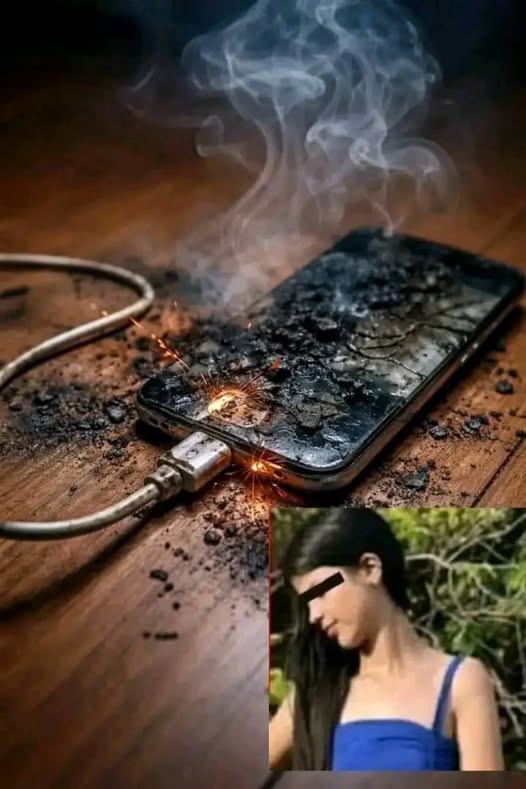
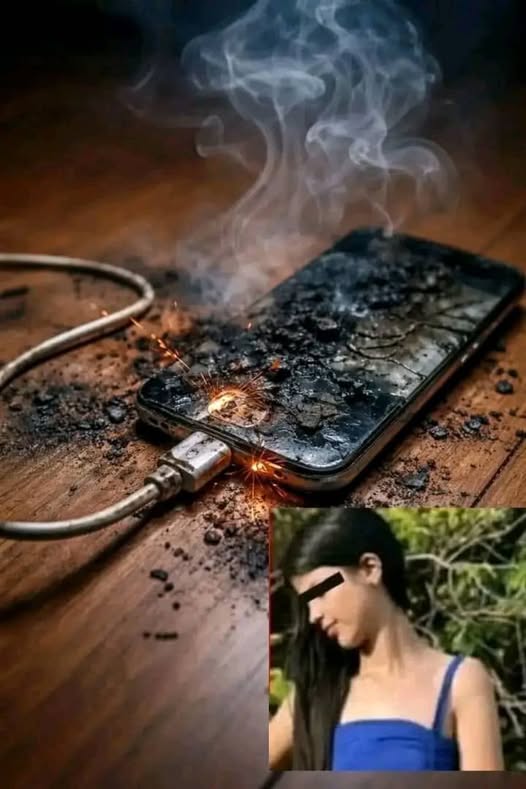
We plug them in every single night, often inches from our pillows, without a second thought. Our smartphones, tablets, and laptops have become extensions of ourselves, but the very tools we use to power them—charging cables and wall adapters—could be harboring a deadly secret. While the modern world relies on the seamless transfer of electrical current, a growing number of household fires and high-voltage accidents are being traced back to a single, preventable source: improper charging habits. What seems like a minor convenience, like using a frayed cable or a cheap knock-off charger, is actually a gamble with your home’s safety. It is time to pull back the curtain on the electrical risks hiding in plain sight and learn why your charging routine might be the most dangerous thing you do all day.
The mechanics of charging are deceptively simple: electricity moves from your wall outlet into a battery. When your equipment is in peak condition, internal safety chips regulate this flow to prevent overheating. However, this delicate balance is easily shattered. The most common culprit is the use of uncertified or “counterfeit” chargers. These budget-friendly alternatives often lack the essential insulation and surge protection found in original manufacturer equipment. Without these safeguards, a minor spike in your home’s power grid can turn a generic charger into a high-heat conductor, melting the plastic casing and igniting nearby flammable materials like bedding or curtains.
The danger isn’t just in the plug; it’s in the cord itself. We have all been guilty of using a cable that requires being “bent just right” to work. This habit is a recipe for disaster. Frayed wires or cracked insulation expose the live copper interior, creating a massive risk for short circuits or electrical shocks. When you combine a damaged cable with an overloaded power strip—where a single outlet is forced to power a TV, a modem, a fan, and multiple phones—you create a “thermal runaway” scenario. In this state, the equipment generates more heat than it can dissipate, leading to a rapid temperature spike that can spark a fire in seconds.
