A failed assassination attempt that once raised serious concerns about political security in the United States has now reached its final legal conclusion.
A 59-year-old man who attempted to kill Donald Trump has been sentenced to life in prison—bringing closure to a case that shocked both authorities and the public when it first unfolded.
But beyond the headline, the case reveals much more about security, intent, and how close the situation may have come to a very different outcome.
What Actually Happened
The incident dates back to September 2024, when Donald Trump—at the time a presidential candidate—was at his golf club in West Palm Beach, Florida.
According to court records, the attacker, identified as Ryan Routh, had positioned himself near the course, hiding in vegetation while armed with a rifle.
The situation might have escalated quickly if not for a critical moment of observation.
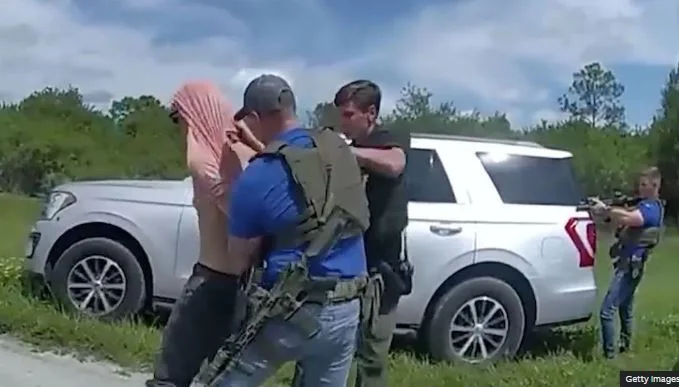
A U.S. Secret Service agent noticed the barrel of the weapon emerging from the bushes and immediately opened fire, forcing the suspect to flee the scene.
Routh was arrested shortly afterward, before any harm could be done.
The Charges and Trial
Following his arrest, prosecutors built a case that portrayed the attack as deliberate and planned.
Investigators determined that Routh had spent weeks preparing for the attempt, waiting for an opportunity to act.
He was ultimately charged with multiple federal offenses, including attempting to assassinate a major presidential candidate and firearm-related violations.
During the trial, Routh maintained his innocence and even chose to represent himself for much of the proceedings—a decision that drew attention due to his unusual behavior in court.
Despite his claims, the jury found him guilty.
Why the Sentence Was So Severe
The court’s decision to impose a life sentence was not unexpected given the nature of the crime.
In sentencing documents, the judge emphasized that the seriousness of the offense—targeting a high-profile political figure—warranted the harshest possible penalty.
Prosecutors also argued that the defendant showed no genuine remorse, reinforcing the need for a strong legal response.
Ultimately, the court concluded that a life sentence was necessary both as punishment and as a deterrent.
A Case That Raised Larger Questions
This was not an isolated moment in American politics.
The attempted attack occurred during a tense election period and was, notably, the second serious incident involving Trump’s safety that year.
That context amplified public concern about how vulnerable public figures can be—even in controlled environments.
The fact that the attack was prevented largely due to the vigilance of a single agent highlights how much can depend on seconds, awareness, and training.
The Role of Security and Prevention
One of the most important takeaways from the case is how close the situation came to escalating.
Without the quick reaction of the Secret Service, the outcome might have been very different.
Security around high-profile individuals is layered and constant, but no system is entirely without risk. Incidents like this reveal both the strengths and limitations of protective measures.
They also reinforce why such measures remain strict, even in seemingly routine settings like a golf course.
What This Means Going Forward
The life sentence closes the legal chapter, but the broader implications remain.
Cases like this often influence how security agencies operate, how threats are assessed, and how seriously early warning signs are taken.
They also shape public perception—reminding people that even in controlled environments, risk can emerge unexpectedly.
In this instance, the system worked in time.
But the margin for error was narrow.
A Final Reflection
The story is not just about a failed attempt or a final verdict.
It’s about how quickly a situation can shift—and how much depends on awareness, preparation, and response in critical moments.
The outcome, in this case, prevented tragedy.
But it also left behind a lasting reminder of how fragile that line can be.
A failed assassination attempt that once raised serious concerns about political security in the United States has now reached its final legal conclusion.
A 59-year-old man who attempted to kill Donald Trump has been sentenced to life in prison—bringing closure to a case that shocked both authorities and the public when it first unfolded.
But beyond the headline, the case reveals much more about security, intent, and how close the situation may have come to a very different outcome.
What Actually Happened
The incident dates back to September 2024, when Donald Trump—at the time a presidential candidate—was at his golf club in West Palm Beach, Florida.
According to court records, the attacker, identified as Ryan Routh, had positioned himself near the course, hiding in vegetation while armed with a rifle.
The situation might have escalated quickly if not for a critical moment of observation.
A U.S. Secret Service agent noticed the barrel of the weapon emerging from the bushes and immediately opened fire, forcing the suspect to flee the scene.
Routh was arrested shortly afterward, before any harm could be done.
The Charges and Trial
Following his arrest, prosecutors built a case that portrayed the attack as deliberate and planned.
Investigators determined that Routh had spent weeks preparing for the attempt, waiting for an opportunity to act.
He was ultimately charged with multiple federal offenses, including attempting to assassinate a major presidential candidate and firearm-related violations.
During the trial, Routh maintained his innocence and even chose to represent himself for much of the proceedings—a decision that drew attention due to his unusual behavior in court.
Despite his claims, the jury found him guilty.
Why the Sentence Was So Severe
The court’s decision to impose a life sentence was not unexpected given the nature of the crime.
In sentencing documents, the judge emphasized that the seriousness of the offense—targeting a high-profile political figure—warranted the harshest possible penalty.
Prosecutors also argued that the defendant showed no genuine remorse, reinforcing the need for a strong legal response.
Ultimately, the court concluded that a life sentence was necessary both as punishment and as a deterrent.
A Case That Raised Larger Questions
This was not an isolated moment in American politics.
The attempted attack occurred during a tense election period and was, notably, the second serious incident involving Trump’s safety that year.
That context amplified public concern about how vulnerable public figures can be—even in controlled environments.
The fact that the attack was prevented largely due to the vigilance of a single agent highlights how much can depend on seconds, awareness, and training.
The Role of Security and Prevention
One of the most important takeaways from the case is how close the situation came to escalating.
Without the quick reaction of the Secret Service, the outcome might have been very different.
Security around high-profile individuals is layered and constant, but no system is entirely without risk. Incidents like this reveal both the strengths and limitations of protective measures.
They also reinforce why such measures remain strict, even in seemingly routine settings like a golf course.
What This Means Going Forward
The life sentence closes the legal chapter, but the broader implications remain.
Cases like this often influence how security agencies operate, how threats are assessed, and how seriously early warning signs are taken.
They also shape public perception—reminding people that even in controlled environments, risk can emerge unexpectedly.
In this instance, the system worked in time.
But the margin for error was narrow.
A Final Reflection
The story is not just about a failed attempt or a final verdict.
It’s about how quickly a situation can shift—and how much depends on awareness, preparation, and response in critical moments.
The outcome, in this case, prevented tragedy.
But it also left behind a lasting reminder of how fragile that line can be.
