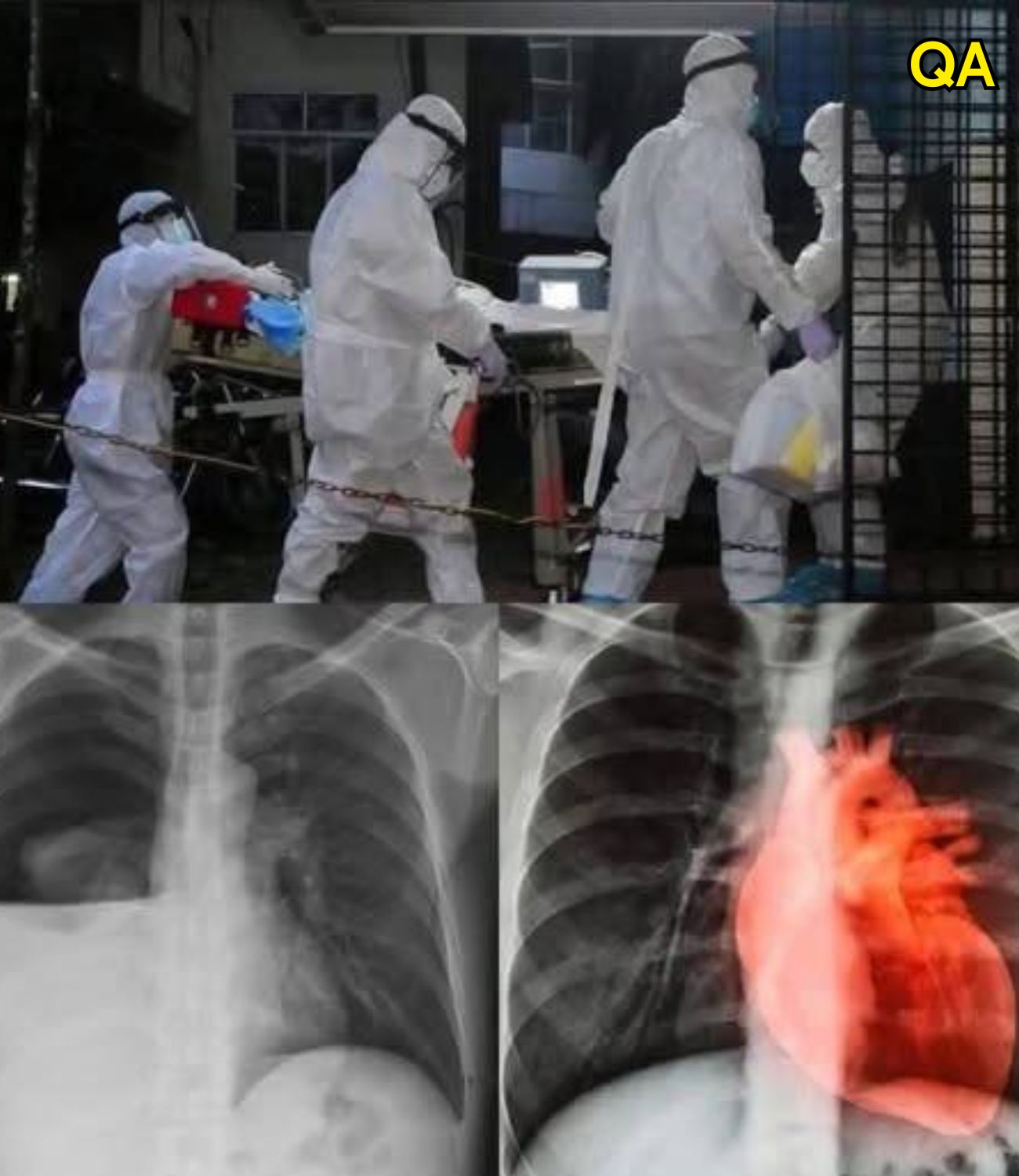
What do recent studies actually say about myocarditis after mRNA COVID-19 vaccination—and how should those findings be understood? As research continues to evolve, scientists are refining their understanding of a rare condition that, while uncommon, has drawn sustained attention.
Myocarditis—an inflammation of the heart muscle—has been observed in a small number of cases following vaccination. From the beginning, health agencies emphasized that these instances were rare. Now, newer studies are offering more detailed insights into who may be affected, why it happens, and how it typically progresses.
The key takeaway emerging from current research is not just about risk, but about context.
What Is Myocarditis and Why It Matters
Myocarditis occurs when the heart muscle becomes inflamed, which can affect how the heart functions. Symptoms may include chest discomfort, fatigue, or shortness of breath, though severity can vary.
In most of the vaccine-associated cases identified, the condition has been mild and manageable, often resolving with rest and standard care. This has been a consistent observation across multiple studies and monitoring systems.
Understanding this baseline is important before looking at newer findings.
Who Is Most Commonly Affected
Recent data continues to show that cases of myocarditis after mRNA vaccination tend to occur more frequently in younger individuals, particularly males, and often after the second dose.
However, even within that group, the overall likelihood remains low. Researchers emphasize that while patterns exist, they do not translate into high risk for the broader population.
These findings help refine monitoring efforts, allowing healthcare providers to focus on early recognition and response when symptoms appear.
What New Research Is Exploring
More recent studies are shifting focus from simply identifying cases to understanding mechanisms.
Scientists are investigating how the immune system responds to mRNA vaccines and why, in rare situations, that response might involve inflammation affecting the heart. Some hypotheses involve temporary immune activation that goes slightly beyond what is typically expected.
At the same time, researchers are examining genetic, biological, and environmental factors that could contribute to susceptibility. The goal is not only to explain the phenomenon, but to anticipate it more effectively.
How These Cases Typically Progress
One of the more reassuring findings across studies is the recovery pattern. Most individuals diagnosed with myocarditis after vaccination experience mild symptoms and recover within a relatively short period.
Hospital stays, when required, are often brief, and long-term complications appear to be uncommon based on current follow-up data. Continued monitoring is still underway, but early indicators suggest favorable outcomes in the majority of cases.
This aspect is central to understanding the overall picture.
Balancing Risk and Benefit
Any discussion of vaccine-related effects naturally leads to a broader comparison: the risk of rare side effects versus the benefits of protection against illness.
Health experts consistently point out that COVID-19 infection itself can carry a higher risk of complications, including heart-related issues. In that context, vaccination remains a key tool in reducing severe outcomes.
This doesn’t diminish the importance of studying rare side effects—it highlights why understanding them accurately is essential.
The Role of Ongoing Monitoring
One of the strengths of large-scale vaccination efforts is the ability to track outcomes in real time. Systems designed to monitor safety continue to collect data, allowing researchers to identify patterns quickly and respond as needed.
This ongoing process ensures that recommendations can evolve alongside new evidence. It also reinforces transparency, which plays a crucial role in maintaining public trust.
Why These Findings Matter Now
As vaccination strategies continue and booster approaches are evaluated, having a clearer understanding of rare effects like myocarditis helps guide decision-making.
It allows policymakers and healthcare providers to adjust recommendations where necessary, while also giving individuals better information about what to expect.
Knowledge, in this case, reduces uncertainty rather than increasing concern.
A More Detailed, More Balanced Picture
The conversation around myocarditis and mRNA vaccines has moved beyond initial reports into a more nuanced phase. Instead of focusing solely on occurrence, research is now exploring causes, patterns, and outcomes in greater detail.
The result is a clearer, more balanced understanding—one that acknowledges rare risks while placing them within a broader context of overall safety and benefit.
As studies continue, that picture will likely become even more refined. For now, the evidence points to something important: rare events deserve careful attention, but they also need to be understood within the full scope of available data.
